
At any age in life, time to reflect on and absorb our experiences is one of the most enriching activities of our quieter moments. Time to remember past events and special occasions is precious to us all whether it’s a young person daydreaming over last night’s date, or an older one remembering young love or the joy of holding their child close. Our minds hold our present, our past, and the key to our future. Our minds and bodies hold our memories, but our self-identity appears to reside in the mind.
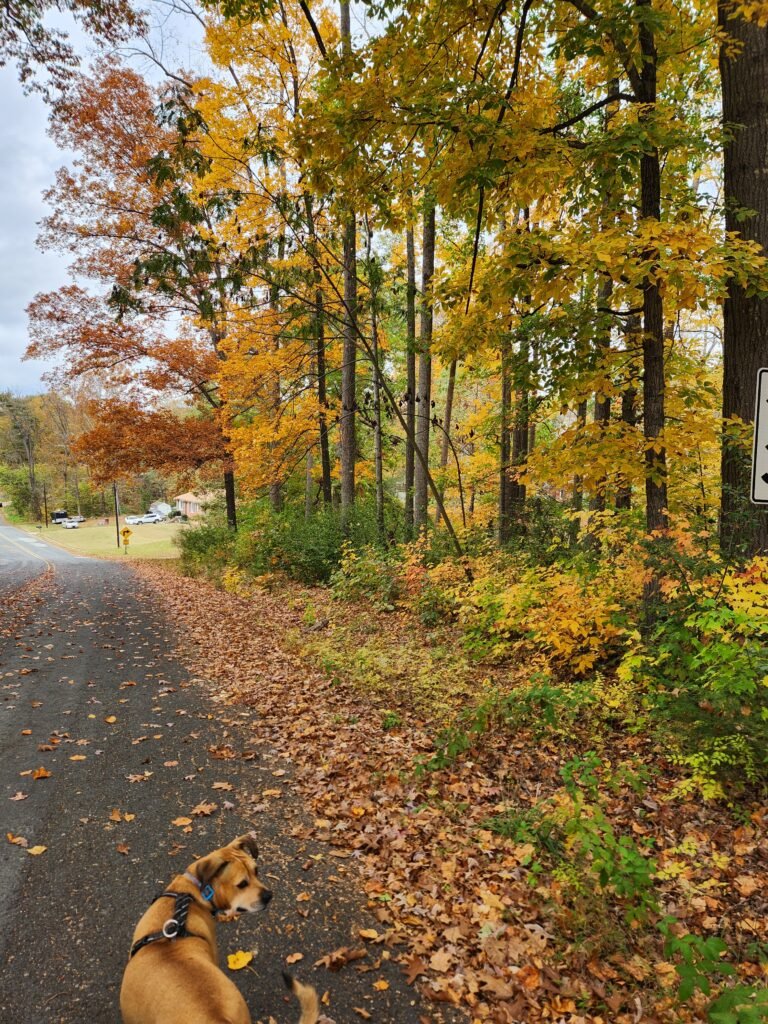
Walking the family pet has been one of my special times for thinking. It’s a big toss-up most walks whether I’m stopping to take a picture of the beauties of nature, mulling over a plan for the day or a memory, or simply being in the moment and soaking it up with all my senses. The real point here is our minds are our passport to our past and to our daily living. One of the most fearsome possibilities of older aging is losing those memories, of losing the sharpness of our mind and feeling “less” than what we’ve been and are – of losing control of our lives.
This fear has not been unfounded. Dementia and Alzheimer’s carry huge costs – as much as $1.3 trillion a year worldwide, according to the World Economic Forum. They are the source of heavy caregiving concerns and sadness for many families. I wanted to look at progress being made toward treatments and a cure. What I found was both encouraging and discouraging.
Before I begin, I’d like to clarify the difference or connection between Alzheimer’s and dementia. I don’t know about you, but I really wasn’t sure. When I asked my trusty smartphone, it explained that:
Dementia is a general umbrella term for a decline in memory, reasoning, or other thinking skills severe enough to interfere with daily life, while Alzheimer’s disease is a specific brain disease and the most common cause of dementia, accounting for 60% to 80% of all cases.
Like most everything to do with health, they are finding that lifestyle is a big contributor to delaying and controlling dementia and Alzheimer’s. Researchers think this is because heart and blood vessel problems are often present in Alzheimer’s patients. What’s good for the heart is good for the brain. In fact, a major 2024 report from the Lancet Commission estimated that nearly half of dementia cases could be prevented or delayed by addressing 14 risk factors, including high blood pressure, hearing loss (hearing aids can help), physical inactivity, and social isolation. Studies have also found some unexpected habits linked to a lower risk of the disease, and some linked to a higher risk:
- Lifestyle – exercise, good diet leaning Mediterranean
- A lifetime of cognitive enrichment – reading, writing, art, crosswords (38% lower risk)
- Drinking caffeinated coffee or tea daily – about 2–3 cups of coffee or 1–2 cups of tea (18% lower risk)
- Alcohol consumption – linked to higher risk
- Polluted air – linked to higher risk (by 17%). I can add that bad air can bring on A-fib events for me.
- Getting the shingles vaccine – linked to a lower risk of dementia (about 20%)
The above are accessible possibilities (by that I mean something you can do something about immediately if you want), but a lot of research is underway to find a cure. Right now, there are drugs that help symptoms, but nothing that cures the disease. Two newer drugs, Leqembi and Kisunla, can modestly slow decline in the early stages of Alzheimer’s, but they require regular MRI monitoring because they can cause brain swelling or small bleeds. Many of the current drugs have side effects. One encouraging development: simple blood tests for Alzheimer’s are now available through doctors, so diagnosis no longer always requires expensive brain scans.
Researchers have followed links to such conditions as ADHD, herpes, menopause, and the immune system. Some have a connection, some don’t. Read further here.
AI is helping researchers spot early warning signs sooner. (I wrote earlier about how a regular sleep rhythm is linked to a lower risk of dementia.) Hopefully, AI will be able to speed up finding a cure. There are several new drugs in the pipeline. Meanwhile, be aware of your health, your body. Improve your habits as far as diet and exercise. That can be one of the most proactive things you can do to ward off dementia and Alzheimer’s and other health problems.
If you have real concern or have a family member who is suffering from this disease, stay informed. There are many articles being generated these days on the subject. Take part in a study to help advance the science. The Alzheimer’s Association’s free TrialMatch service can help you find one near you. For a hopeful look at where research is headed, see Bill Gates’s thoughts on curing Alzheimer’s.
As I said at the beginning, memories are precious. So the next time you’re out on a walk, with or without a four-legged companion, take a moment to soak it all in. Those are the moments worth remembering.